As conflict intensifies across parts of the Middle East, SAT-7 is responding in real...


“Disability doesn’t mean weakness,” says Beytullah Eroğlu from Türkiye. “It just means doing things differently.”
For the world champion para-swimmer, who was born without arms, this isn’t a slogan. It has been his reality since childhood: a life defined not by limitation, but by resilience, adaptation, and an unshakeable sense of identity.
His story is one of many featured on the SAT-7 TÜRK program Obstacle Overcomers, which is returning for a new season in 2026. The series challenges the stigma around disability through real stories told with dignity and depth. Through honest interviews, the program highlights both the challenges people face and the strength with which they overcome them.
“Strength is getting up every day and facing the world as you are,” Beytullah says. “I wasn’t strong because of medals. I became strong long before that, in the small daily struggles.”
“Every story that is shared helps to change the community’s perspective of those with disabilities and becomes a light that gives encouragement and hope to everyone who is watching,” Obstacle Overcomers presenter Birtanem Candaner said. “Most importantly, each life story becomes a tangible reflection of the love of Christ because Christianity is the revelation of God’s strength when we feel weak.”
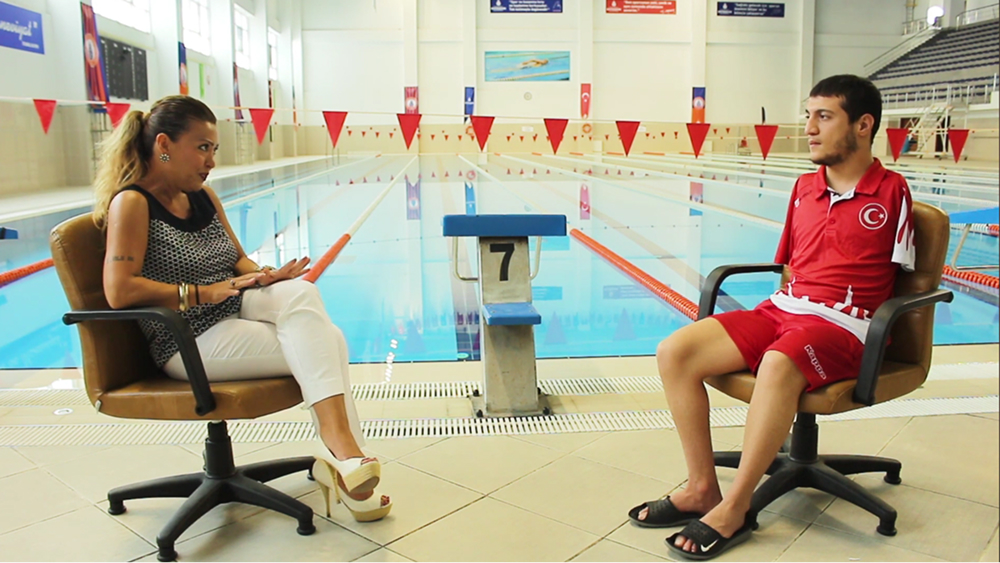
“Strength is getting up every day and facing the world as you are,” Beytullah says.
Beytullah’s story includes some of the common challenges that people living with disabilities in the region face.
“Some [children] would stare. Some would ask, ‘Why don’t you have arms?’ Some would say things that were hurtful; not because they were bad, but because they didn’t understand. Some teachers would say, ‘You can sit this one out.’”
But the elite athlete was blessed in other ways; raised in an environment that refused to define him by what he lacked.
“I didn’t grow up feeling sorry for myself. My family didn’t allow that. My parents never used the word ‘disability.’ They raised me like any other child. Only later, when I went out into society, did I start hearing that word.”
Today, as a world champion para-swimmer, Beytullah’s perspective is uniquely insightful.
“Most of the barriers people with disabilities face come from assumptions, not from the disability itself. At first, I didn’t think I could compete or become a champion. I was just a kid who enjoyed being in the water…”
But when a coach noticed his talent, Beytullah began to train, swimming in local – then national – competitions. At age 15, he joined Türkiye’s Paralympic swim team and, shortly after, took his first medal at the European Championships before also becoming World Champion.
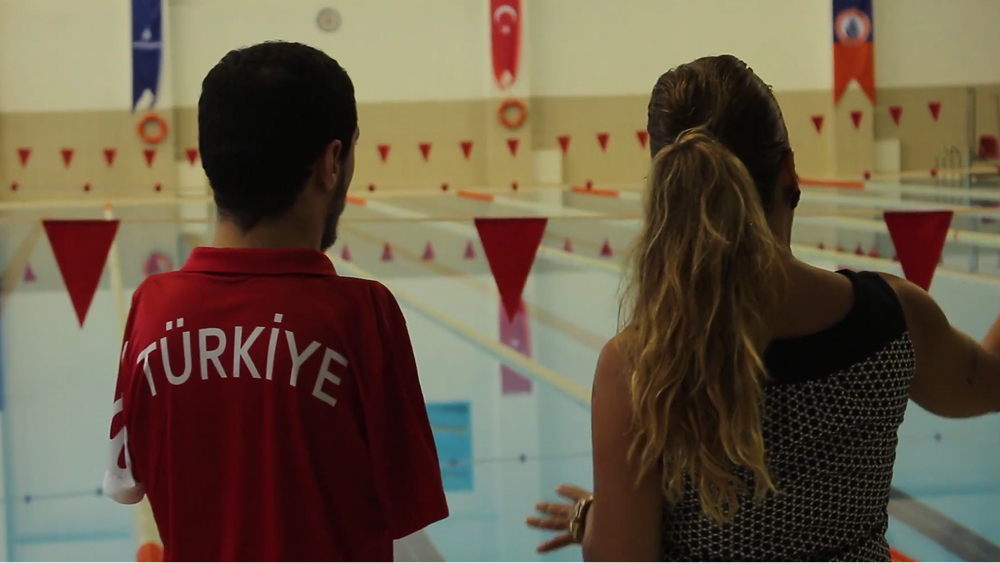
“At first, I didn’t think I could compete or become a champion. I was just a kid who enjoyed being in the water…”
Across its episodes, Obstacle Overcomers introduces viewers to individuals whose journeys are equally as compelling.
There’s table-tennis player Abdullah Öztürk who has overcome impairment in the lower body to become a Paralympic champion. Ahmet Gencer and Hilal Öztaş, who were featured in a segment for those with autism, epitomizing achievement and inclusion. İslim Balcı, whose two children have cerebral palsy, typifies the resilience and love that carries her family through daily challenges.
Together, these stories reflect what Obstacle Overcomers is designed to do: challenge assumptions, broaden understanding, and offer viewers a fuller, more dignifying picture of disability. Each guest invites audiences to see beyond labels and recognize the capability, creativity, and humanity in every person as a reflection of the image of God.
Across the Middle East and North Africa (MENA), people with disabilities often encounter barriers that are more to do with society’s perception than with their physical condition.
In EU member states, 30 percent of adults with a disability face poverty and social exclusion (compared with 19 percent of adults without a disability). In Türkiye, the situation is even more stark: the poverty and social exclusion risk rate for adults with disabilities rises to 35 percent.1
It’s a pattern that begins at an early age. UNICEF reports that the MENA region as a whole is home to more than 21 million children with disabilities: one in seven. “Each of them,” states the report, “has the right to be nurtured and supported through responsive care and education, to receive adequate nutrition and social protection, and to enjoy play and leisure time. Too often, however, such rights are denied.”2
Beytullah’s words reflect a desire to be seen with respect and dignity: “When people learn I’m a national athlete, their reaction changes completely. But I always think: it shouldn’t take medals for someone to respect you.”
His journey – like every story shared on Obstacle Overcomers – calls us to recognize the inherent worth in every individual.
Sources
1 Industrial Development Bank of Türkiye
2 UNICEF

In 2024, at least 81% of your gift went directly to fund programs building up women, children, and families across the Middle East.
Login to your ministry partner self-service account.